When & How to Use Quotes in a Presentation: Do’s and Don’ts

Everyone loves a good quote. But quotes aren’t just decorative features in your presentation — they’re powerful little tools that quietly work in your favor… when used correctly.
A smartly placed quote can strengthen your argument and create an “aha” moment for your audience. They immediately get your point.
But where exactly should you use quotes in your talk? And what’s the best way to do so?
That’s what we’re covering here. I’m sharing the most effective ways to use quotes in a presentation — whether you want to start with a quote or end with it. (Or, do what many TED speakers do: use quotes in the body of the talk.)
I provide real examples of quotes being used in presentations so you can see how each tactic brings a slightly different flavor to your talk.

The Hidden Benefits of Using Quotes in a Presentation
The right words from the right person, said at the right time, can instantly get your point across.
Here are a few reasons why incorporating quotes can make your talk more effective.
1. Adds credibility
Backing up your ideas with quotes from respected voices makes you sound more credible and trustworthy.
2. Sets the tone
A quote can instantly shift the mood of the room — energizing, humorous, or thought-provoking. Whatever vibe you’re going for, you can get there quickly with a well-chosen quote.
3. Adds emotional appeal
Quotes bring a much-needed emotional element to factually heavy or data-heavy presentations. Supporting your key message with logical and emotional “proof points” makes it more persuasive.
4. Simplifies complex ideas
There’s nothing quite as satisfying as a clever quote that paraphrases a complex idea in plain, relatable language.
5. Makes your message memorable
When we come across a powerful quote, we remember and repeat it. The same goes for your audience — they’ll remember the quote, and by extension, remember your message for days to come.
6. Strengthens your ‘call to action’
A motivational quote can be the push your audience needs to think differently or take the next step.

Bottom line: When a quote makes a cameo in your presentation, it strengthens your message (even in technical or scientific talks).
But it needs to be inserted at specific, pivotal points in your presentation so it actually builds your narrative.
When and How to Use Quotes in a Presentation: 7 Different Opportunities
Quotes can serve different purposes based on when they’re used in a presentation.
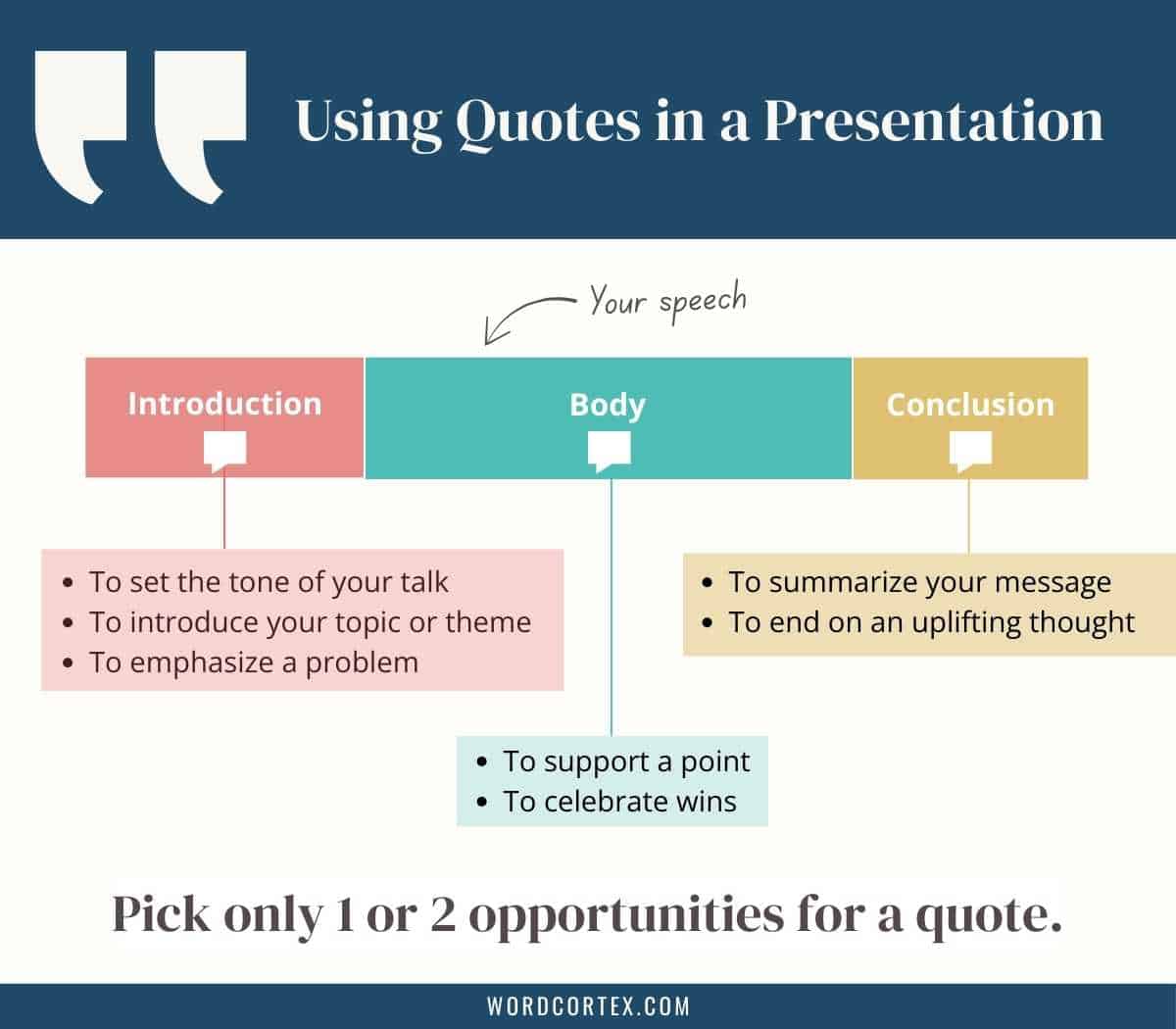
Below are 7 such opportunities to insert a quote. (Pick only one or two opportunities to use a quote in your talk. Please don’t overuse them.)
Starting a presentation with a quote
Your audience is most attentive at the start of your presentation. Using a relevant and powerful quote at this stage can draw them in and keep them listening.
To introduce your topic or theme
Instead of simply stating the topic in your introduction (“Today, I’m going to talk about leadership…”), use the words of a respected figure in your industry to frame your topic and tell us why it matters.
For example: “Leadership is not about being in charge. It is about taking care of those in your charge,” says author Simon Sinek. [Pause] Today, I’ll be talking about how to lead, heart-first.
Works best for:
- Corporate presentations (to signal the importance of a topic)
- Academic lectures (to signal the importance of a topic or highlight its complexity)
- Keynotes or training workshops (to set the theme)
💡 Quick tip: When using quotes to introduce a topic, choose voices that are well-respected in your specific industry. Avoid clichéd, overused quotes. They can put off your audience.
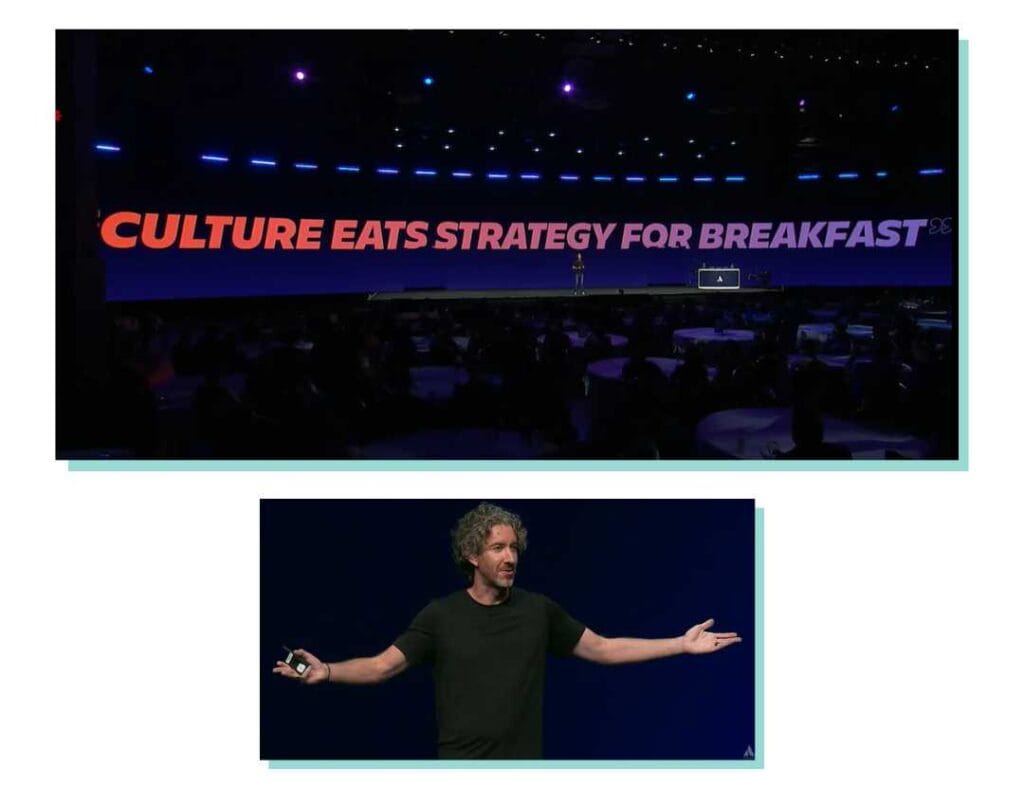
EXAMPLE: In this keynote speech, the speaker introduces the theme of his talk by quoting the well-regarded management consultant, Peter Drucker.
The quote impressively takes up the entire screen, creating a memorable moment for the audience.
To emphasize a problem you’re addressing
Sometimes, the fastest way to highlight a problem is to use a quote that directly points to it. A quick-witted, succinct quote can make the issue feel urgent and important, without having to overexplain it.
It also brings a sense of relief to your audience to know that they aren’t alone in facing the problem at hand — other well-known names have been in the same position before.
Works best for:
- Sales and business presentations
- Training presentations or ‘how-to’ demo sessions
- Talks about social issues or change (for example, climate change or sustainability)
EXAMPLE: In this lecture titled ‘How to Pitch Your Startup’, the speaker uses a quote at the start of his talk to highlight the most common problem with startup funding applications: they don’t express their ideas clearly.
The quote used here is from a well-regarded figure in the startup industry, so it immediately strikes a chord with the attendees.

To set the tone of your talk
In certain scenarios, such as a welcome speech or a plenary session at a conference, starting off with a quote — quite literally — can set the tone of your talk and perhaps the events that follow.
Think of it as the soundtrack that plays before the movie starts — it already conveys the type of story that’s about to unfold.
🗨️ Note: When the very first words you say are from a quote, it’s all the more important to choose the right quote from a credible source.
Works best for:
- Welcome speeches
- Lectures or training sessions
- Keynotes or plenary talks
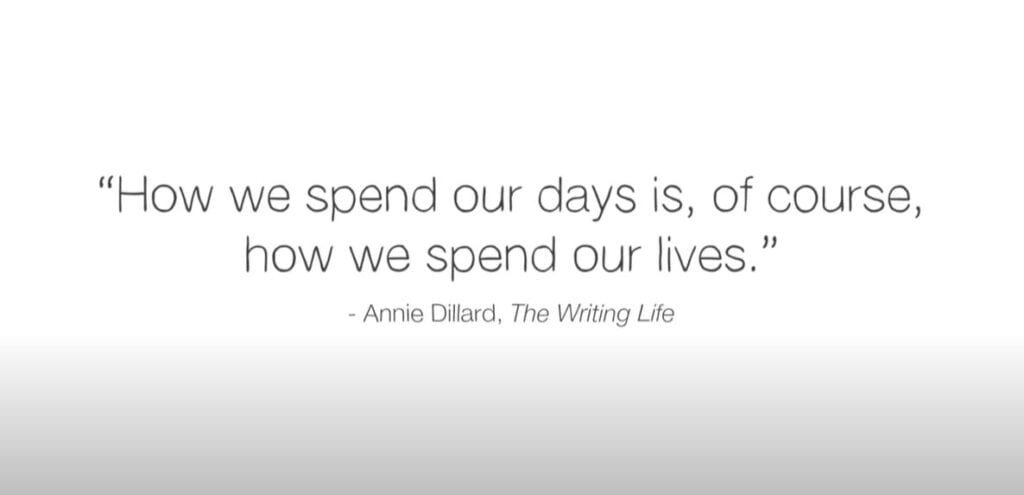
EXAMPLE: This TED-Ed presentation about effective time management starts with a thought-provoking quote.
Using quotes in the body of your presentation
Audience attention tends to drift midway through a presentation. Now is a good opportunity to incorporate a pithy quote.
To support a point
As you make logical arguments to support your point (facts, statistics, or research data), inserting a thoughtful quote that further strengthens it brings a refreshing “human” element to your message.
To your audience, it’s a welcome break from factual overload. And to you, it’s a way to add emotional appeal. A win-win!
Unsurprisingly, this tactic is quite popular, even in TED talks. And rightfully so — it balances “logos” (logic) with “pathos” (emotion) to make your message more persuasive.
Works best for:
- Any presentation scenario, from academic lectures to TED talks
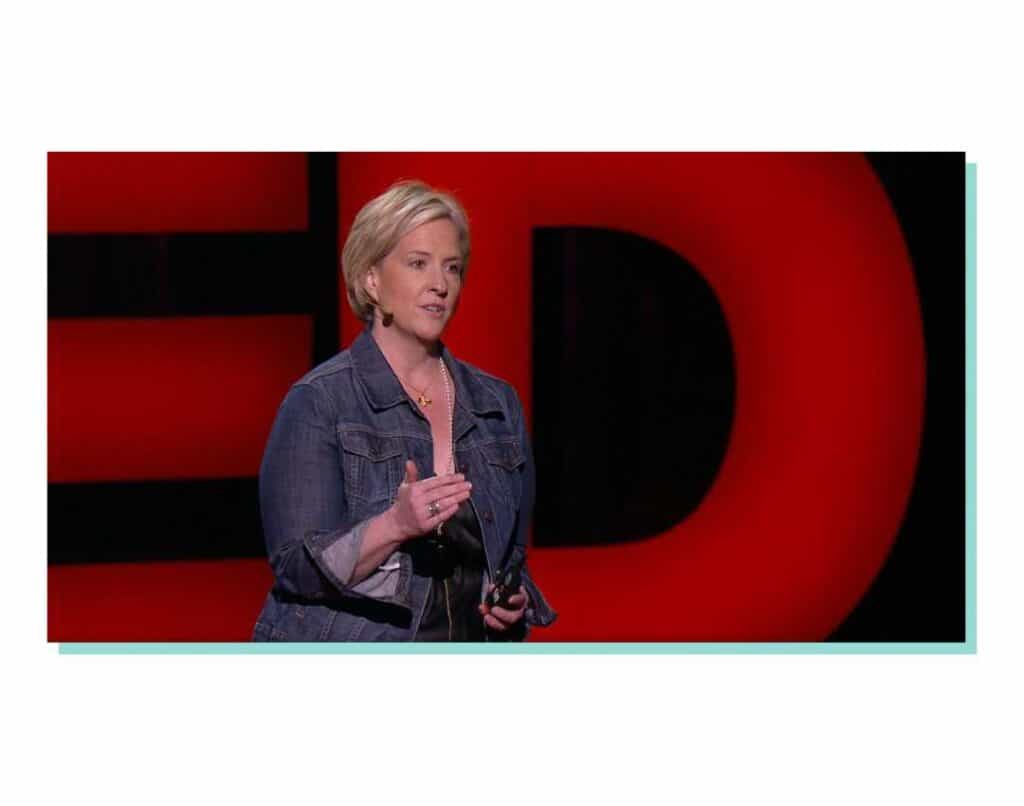
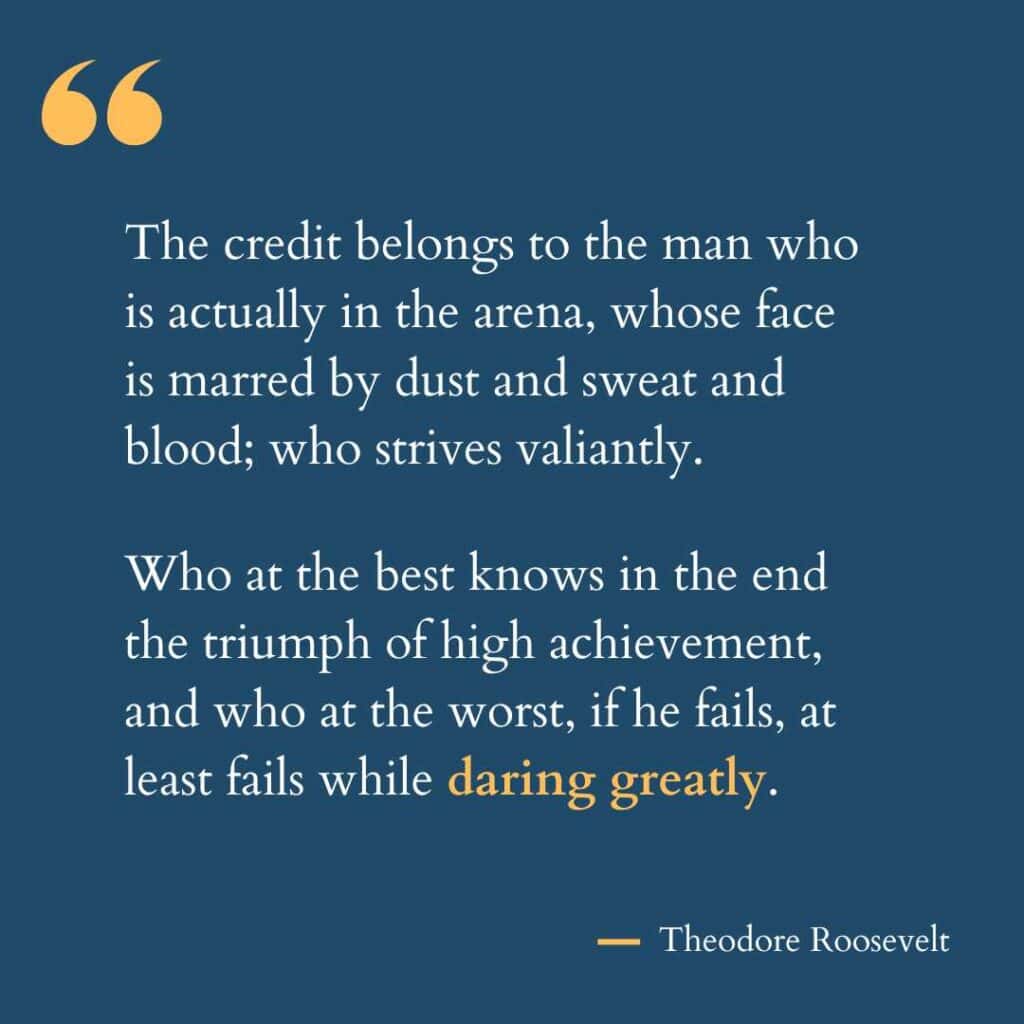
EXAMPLE 1: Dr. Brene Brown, researcher and author, famously used the ‘Man in the Arena’ quote by President Ted Roosevelt in her TED Talk titled ‘Listening to shame’.
In fact, the quote is so effective at supporting her message about rising from failure that it also appears in her book and in her Netflix special.
EXAMPLE 2: In a TED talk titled ‘Two reasons companies fail,’ the speaker, Knut Haanaes, uses a Bill Gates quote to support his second point.
Source: YouTube/TED

To celebrate wins (testimonials)
Share quotes from real customers, collaborators, team members, or even from the press to showcase your wins.
In this case, the person being quoted isn’t usually familiar to your audience, but including identifiers, such as job position or role, makes the quote more relatable.
Works best for:
- Sales presentations
- Investor pitches
- Lead generation webinars
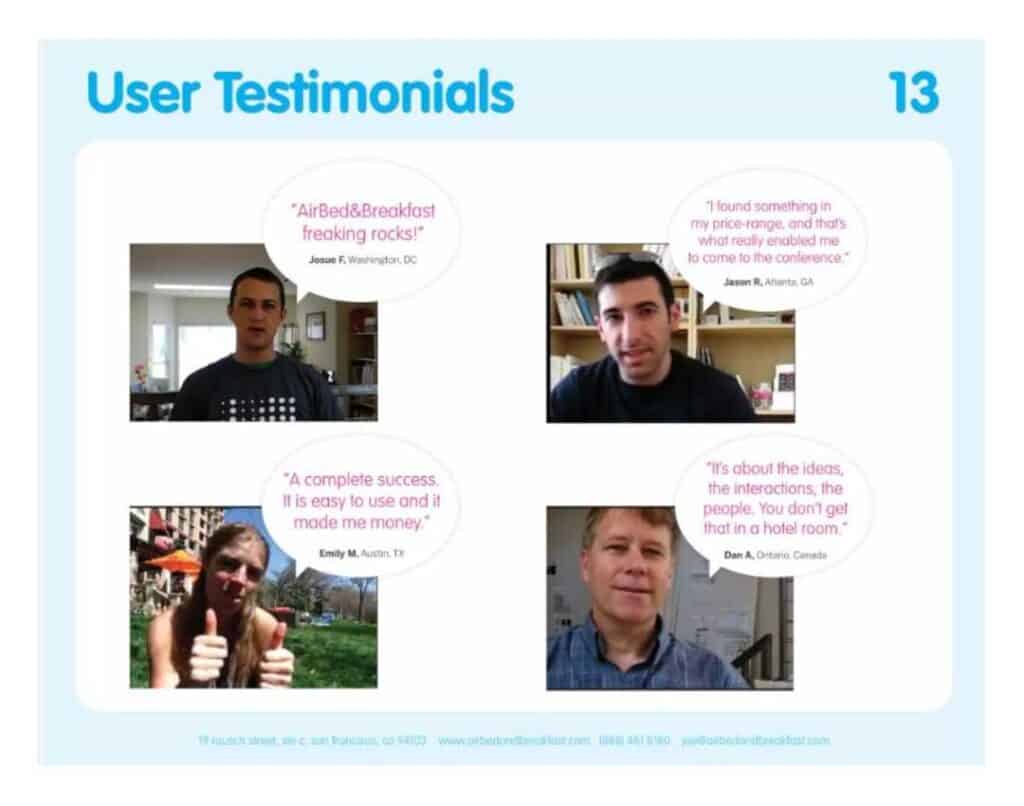
EXAMPLE: Here’s a slide from Airbnb’s original pitch deck featuring early user testimonials (quotes).
You can see how the company was called ‘AirBed & Breakfast’ at the time.
Ending a presentation with a quote
Reinforce your message towards the end with a strong quote. It’s like leaving your audience with a parting gift — they’ll remember it long after you’ve left the room.
🗨️ Ending with a quote vs. using a quote towards the end: Unless absolutely necessary, I wouldn’t recommend ending with a quote (that is, the very last lines you say are from a quote). By all means, use a quote towards the end of your presentation to summarize your message, but try to end with your own words.
To summarize your message
Just before you summarize your talk, use the words of someone else to mirror your key takeaway.
To indicate the summarizing nature of the quote, use phrases such as, “[Person X] captured the very essence of [this topic] when he said…”
Works best for:
- Any presentation scenario, from academic lectures to TED talks
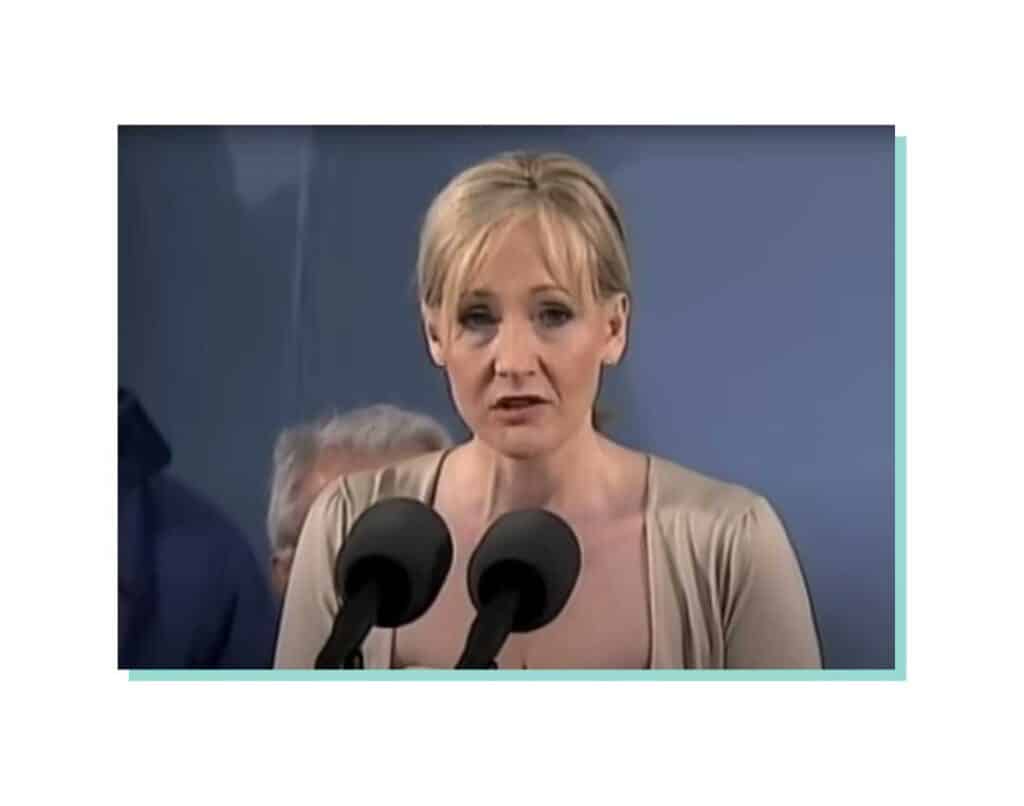
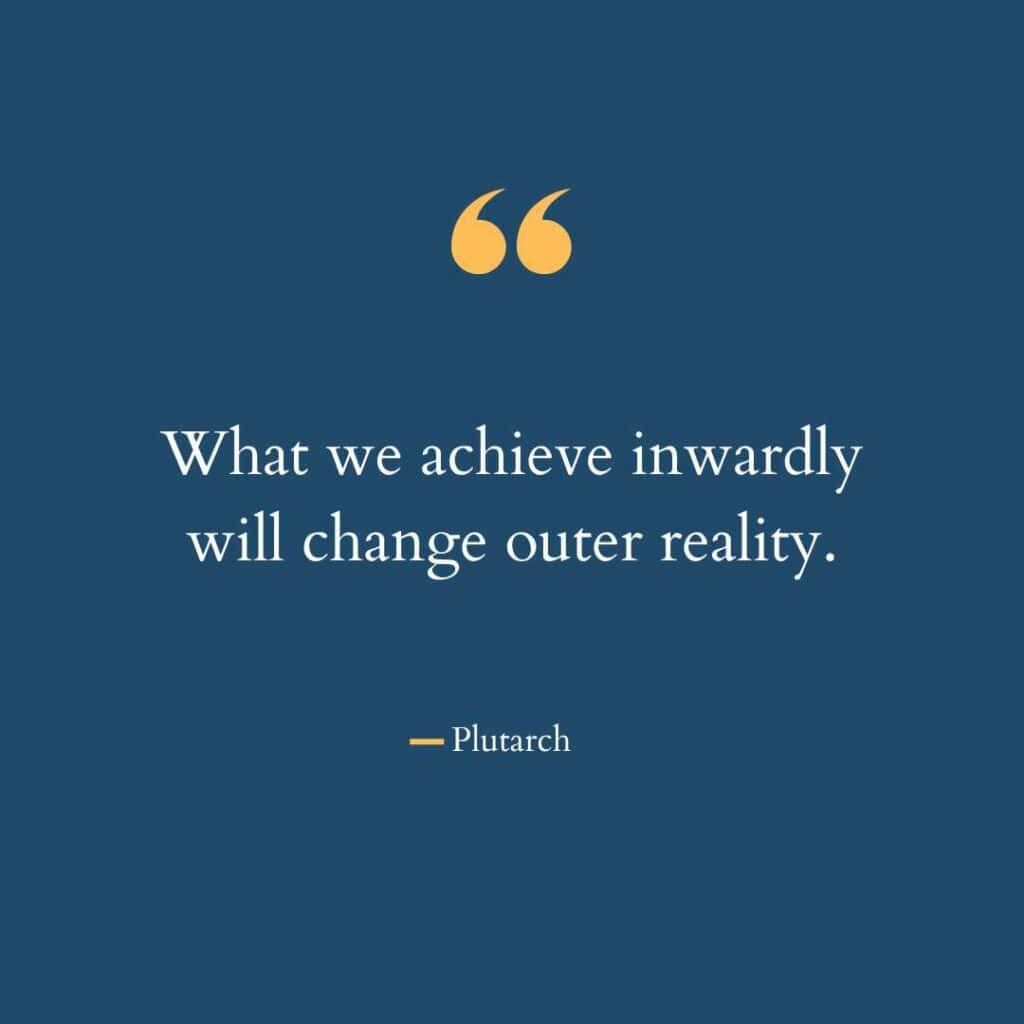
EXAMPLE: In her 2008 Harvard commencement speech, JK Rowling quotes Greek author Plutarch towards the end to segue into her final takeaway message to the audience.
To end on an uplifting thought
When you end with a quote, your audience will remember it for days to come. They may even associate your entire talk with it.
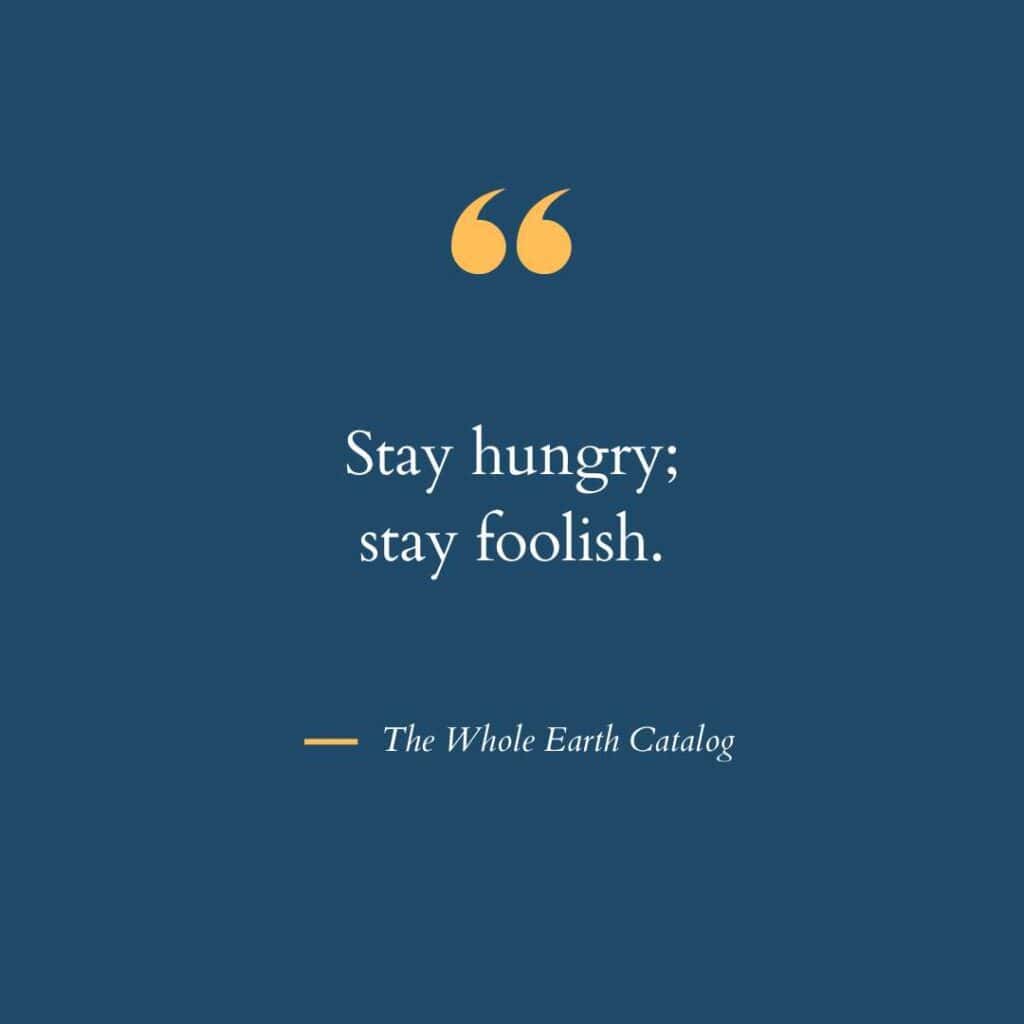
In fact, that’s what happened with Steve Jobs’ 2005 Stanford commencement speech. It came to be known as the ‘Stay hungry, stay foolish’ speech, which incidentally is the quote he ended it with.
Many public speaking experts don’t recommend ending with a quote. In doing so, it is believed that you’re passing on the credibility you’ve earned with your audience to someone else.
If you feel strongly drawn towards ending with a quote, go for it. (I mean, Steve Jobs broke the rule, so you definitely can, too.)
There’s one caveat, though. If you’re branding yourself as a thought leader (i.e., an author, coach, or consultant), I wouldn’t recommend ending with someone else’s words. You’re probably better off choosing another method to conclude your speech (or you can quote yourself, which is a total power move).
Works best for:
- Motivational speeches
- Keynotes
- Closing remarks
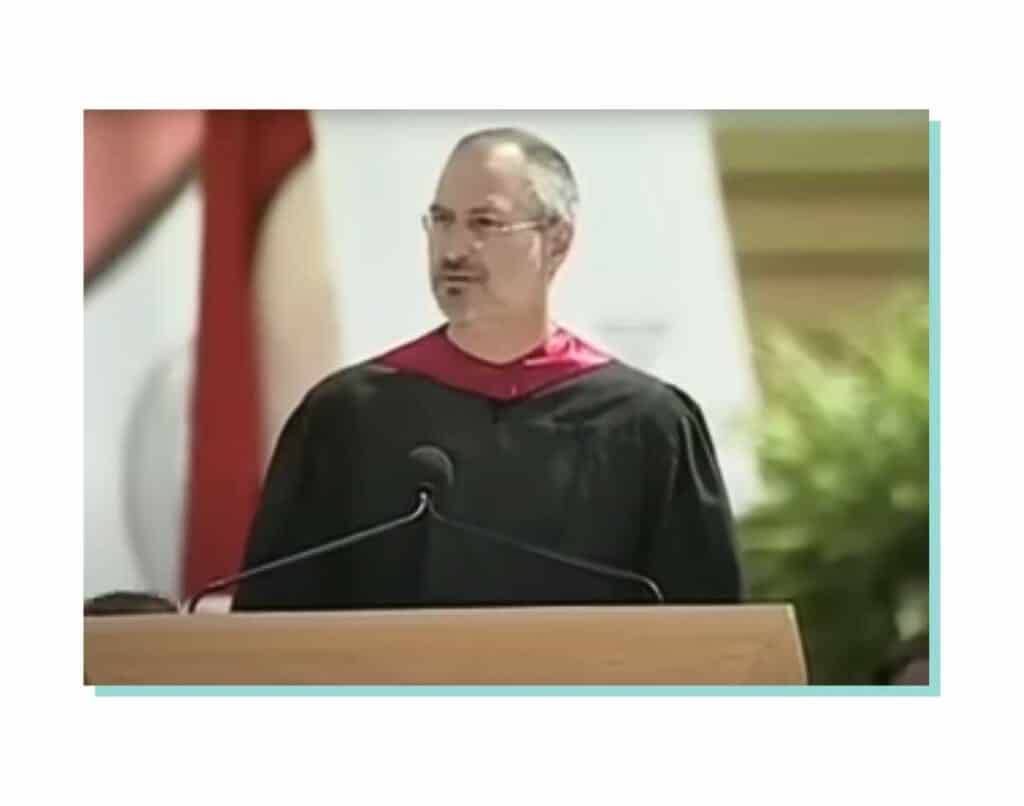
EXAMPLE: Steve Jobs concluded his commencement address to the Stanford class of 2005 with the quote, “Stay hungry; stay foolish,” attributed to the very last words appearing in the Whole Earth Catalog magazine.
Best Practices for Using Quotes in Presentations: Do’s and Don’ts
A quote needs to support your message, not distract from it. Here’s a handy list of what works — and what doesn’t — when using quotes in your presentations.
✔️ Do’s
❌ Don’ts
Finding the Right Quote: Where to Look?
Where exactly do you find good quotes? In addition to the internet (which is rife with misattributed quotes), here are some other sources to find relevant quotes to use in your presentation.
➞ Textbooks or topic-specific nonfiction books:
Books are gold mines for finding quotes from a respected, credible source. Look for clever metaphors that simplify complex ideas or find unique insights shared by the author.
➞ Interviews and talks:
Podcasts, interviews, or TED Talks often feature quotable moments from thought leaders in your field.
➞ Online databases:
Browsing quote websites and curated lists can save time. If you’re pulling a quote from the internet, always fact-check the source to ensure it’s accurate and attributed correctly. Did Mark Twain really say that? Probably not.
➞ Historical documents:
Famous speech transcripts, letters, or news clippings from the past contain timeless wisdom. Find historical information related to your topic — chances are that you’d stumble on a quote.
Example: For a lecture about DNA structure, a good quote to use would be the words of the Nobel laureates appearing in their original 1953 publication detailing its discovery: “We wish to suggest a structure for the salt of DNA. This structure has novel features which are of considerable biological interest.” — Watson and Crick.
➞ Media and pop culture:
Movies, TV shows, and song lyrics can often offer modern, relatable lines — especially for creating light-hearted moments in the presentation.
Example: For a workshop on writing academic papers, a quote taken from Taylor Swift’s song lyrics can humorously highlight everyone’s shared pain point: “Darling, I’m a nightmare dressed like a daydream.”
Once you know where to look, finding the perfect quote becomes much easier.
Want to save some time looking for quotes? I’ve done the hard work for you. I curated a list of 130+ powerful quotes and organized them into different categories so you can just pick one and plug it straight into your presentation.
Related reading:
- 130+ Powerful Quotes for Any Speech or Presentation
- How to End a Presentation: 9 Ways to Finish Strong + Examples
- How to Start a Presentation: 14 Catchy Intro Ideas & Examples
- Presentation Outline: 8 Proven Ways to Structure a Presentation
- How to Introduce Yourself in a Presentation: 5 Sample Scripts
Get actionable communication tips straight to your inbox
No fluff. Just valuable insights and practical strategies to communicate better.
We promise to keep your email address safe.
By signing up, you agree to receiving communication tips and sporadic updates from Word Cortex. You can unsubscribe anytime.